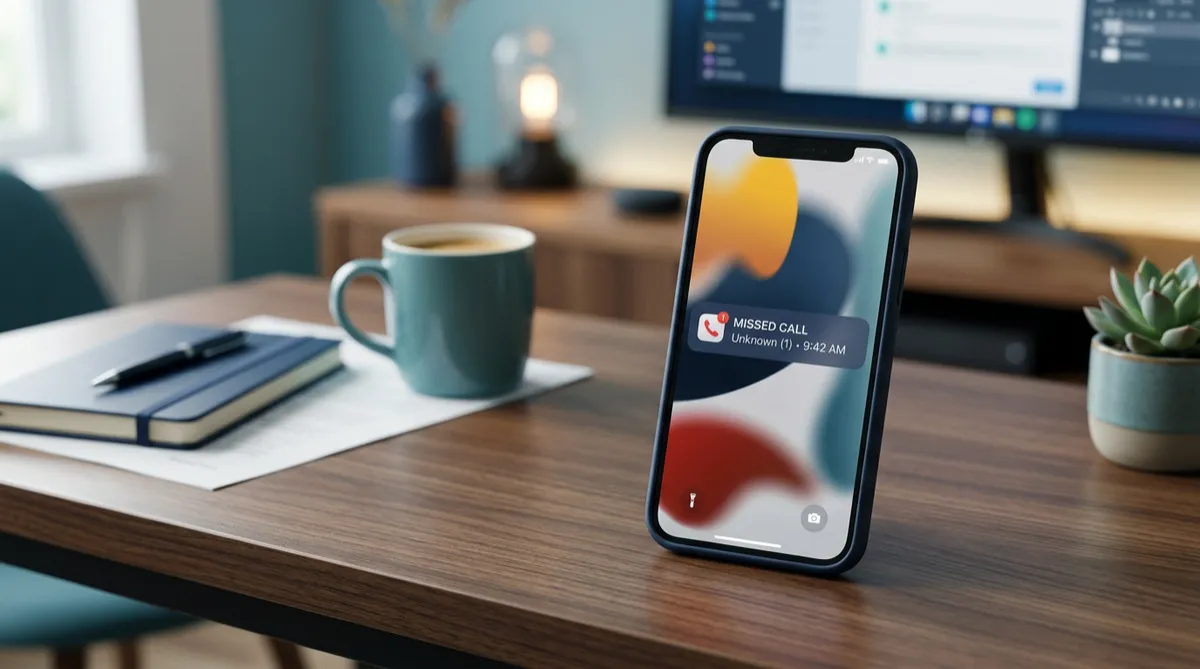
How an AI Receptionist Stops Missed Calls from Costing Your Service Business
Every unanswered ring is a customer making a decision
When a homeowner calls for a repair, estimate or appointment, they usually want a clear next step. But technicians are on ladders, crews are driving, and office staff are already helping someone else. A call can go to voicemail even when the business is ready to take the work.
The cost is not limited to the value of one invoice. A missed inquiry may mean losing the opportunity, spending time returning the call later, or leaving a customer uncertain about whether anyone will respond. That is a real operational cost, even without assigning it a made-up average dollar amount.
Want to see where calls are slipping through and what a practical setup could look like?
Why service businesses miss good calls
Phone coverage is difficult to make perfect. Call volume changes by season and time of day, while staffing is built around a schedule. A dispatcher may be taking details from one customer as another calls. A small business owner may be working on a job, talking with a supplier or away from the phone for a few minutes.
Voicemail is useful, but it puts the next move on the caller. They need to leave a message, trust that someone will hear it, and wait. A person who needs a leaking pipe fixed or an electrical issue checked may call another provider rather than wait. The business may never learn that the first call happened.
What an AI receptionist should do
A well-configured AI receptionist for service businesses can answer routine calls, identify what the person needs, collect contact information and explain what happens next. It should be set up around the actual services, service area, hours and handoff rules of the business, not a generic script that promises everything.
Useful call handling may include:
- Greeting callers clearly and asking what kind of help they need.
- Capturing a name, callback number, location and a short description of the request.
- Sharing approved information about hours, service areas or booking options.
- Routing urgent calls to the right person based on agreed rules.
- Sending the inquiry to the team so a human can review and follow up.
It should not guess at prices, diagnose a hazardous condition or claim that a technician is on the way unless the business has confirmed that. A clear boundary builds trust and keeps the customer experience honest.
Make the handoff more valuable than the answer
An answer is only the start. The details need to reach someone who can act. Set a simple process for reviewing new inquiries, deciding who owns each callback, and marking the outcome. If callers can request an appointment, make sure the available times reflect the real schedule and that confirmations go to the right people.
For teams that cannot book every kind of work automatically, capture the customer's preferred time and pass it to a staff member for confirmation. This avoids presenting an unverified opening as a firm appointment. A useful lead-capture process also records the source and request details, so the person returning the call does not have to start from zero.
Measure what changes
Start with a few practical measures: calls answered, calls routed to voicemail, inquiries captured, time until first human follow-up, appointments requested and appointments confirmed.
Compare busy periods with quieter ones. If many callers ask for the same information, add an approved answer. If handoffs go to the wrong person, adjust the routing. If customers repeatedly ask to speak with a human, make that path easy to find.
The same urgency matters in specific trades: why fast responses matter for plumbing emergency calls and how roofers can respond during storm-season surges.
Talk through your call flow, lead handoff and booking options with a team that understands service-business operations.
Choose automation that fits the way you work
Automation should cover the gaps, not make the business harder to reach. Keep a human option visible, tell callers when someone will follow up, and review the process as staffing or hours change. For appointment-driven teams, appointment scheduling support can reduce back-and-forth when it is connected to accurate availability.
A sensible first step is to map the calls you receive, where they currently go, and which ones need immediate human attention. Then decide which questions can be handled consistently and what information the team needs to take over.
Frequently asked questions
Will an AI receptionist replace my office staff?
It can handle defined call tasks and help cover busy periods, but staff remain essential for judgment, unusual requests and service delivery. Treat it as a front-line assistant with clear limits.
Can it book jobs automatically?
It can support booking when calendar availability, job types and confirmation rules are configured correctly. Otherwise, it can collect a preferred time and request human confirmation.
How do I know if it is helping?
Track captured inquiries, response time, appointments and outcomes, and review call examples. Compare results with your previous process rather than relying on a broad industry claim.
Set up a more dependable first response
Every inquiry deserves a clear next step, whether that is an answer, a callback or a confirmed appointment. Request a call to plan AI reception, lead capture and appointment scheduling around your hours, services and team.
