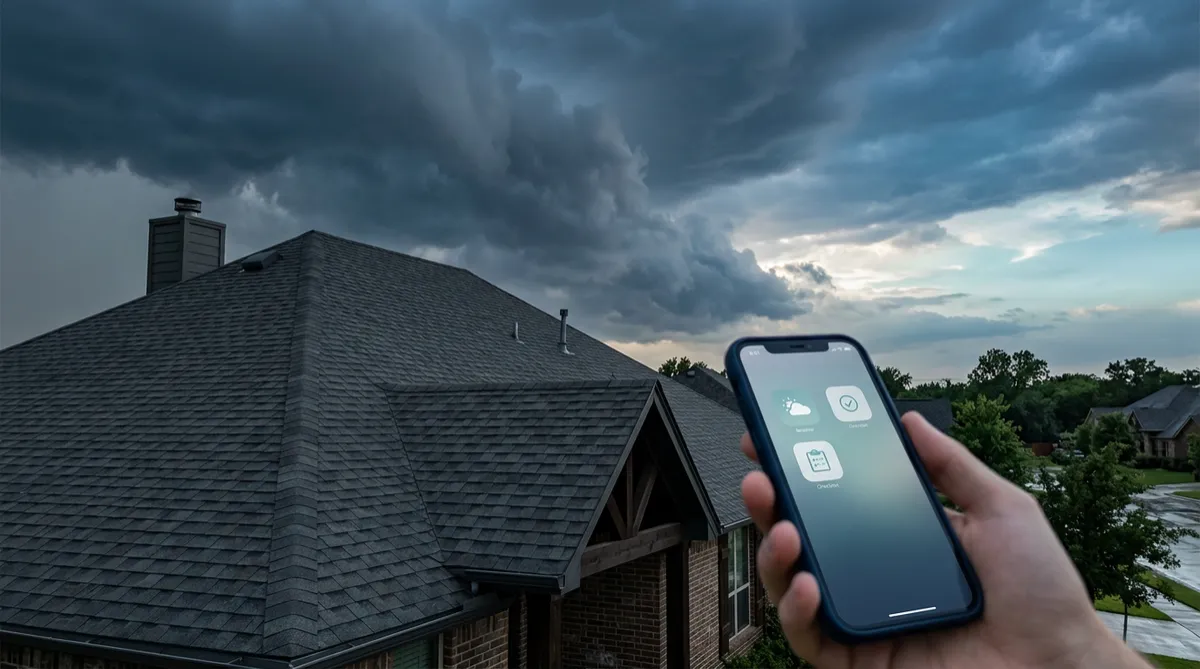
Roofing Storm-Season Lead Response: Answer Every Inquiry While Demand Spikes
Storm demand can overwhelm a normal lead process
After severe weather, homeowners may call about visible damage, leaks, missing shingles or an inspection. Existing customers also need updates, while crews are assessing jobs and office staff are balancing new requests with work already scheduled. A process that works on an ordinary Tuesday may not hold up when inquiries arrive all at once.
When calls go unanswered or messages lack an owner, a roofing company can lose potential work and create confusion about who will respond. The solution is not to promise immediate inspections to everyone. It is to capture each inquiry, sort it consistently and tell people what the team can realistically do.
Plan a storm-season response that helps your team keep track of each new inquiry.
Prepare the response rules before demand rises
Decide which services the company offers after a storm, what areas it covers, what counts as an urgent request and who can approve an inspection. Set clear expectations for callback timing, inspection availability and how emergency concerns are handled. If the company cannot provide temporary protection or immediate service, do not suggest that it can.
Document the basic process so the office, sales team and field crews give consistent answers. A short playbook is more useful than a complex procedure nobody remembers during a busy day.
Capture every inquiry in one useful record
An AI receptionist for roofing calls can answer routine inquiries when staff are occupied, collect contact details and send a summary to the team. Include the homeowner's name, callback number, property address, a brief description of the concern and when they first noticed it.
For web or phone requests, a shared roofing lead-capture process should show when the inquiry arrived, its source and who is responsible for follow-up. Keep photos or documents attached to the right record if your process supports them, and avoid asking customers to send sensitive information through an unapproved channel.
Do not treat an automated intake as a roof inspection. It can record what the caller reports, but a qualified professional must assess damage and determine the appropriate work.
Prioritize without making promises you cannot keep
Use a simple triage approach based on the information the caller provides and your team's actual capabilities. An active leak, a request for an inspection, a quote inquiry and an existing-customer update may need different handling. Route safety-sensitive concerns to a person who can give approved guidance. Do not let an automated system diagnose structural damage or guarantee that a crew will arrive by a specific time.
Give each customer a clear next step. That might be an urgent callback if coverage is available, a place in the inspection queue, or a request for the office to call during business hours. A transparent expectation is better than a vague assurance that creates a second problem.
Schedule inspections against real capacity
Storm response can make calendars unreliable. Build room for travel, assessment time, weather changes and work already committed. Use appointment scheduling for roofing inspections only when the team can maintain accurate availability. Otherwise collect the customer's preferred windows and confirm after reviewing the route and crew capacity.
Send a confirmation when a visit is actually set and provide a way to reschedule. If conditions or workload change, tell affected customers instead of leaving them to wonder whether the appointment is still happening.
See how service businesses can prevent missed calls from becoming lost leads and how urgent service calls benefit from fast, clear follow-up.
Discuss a practical way to answer inquiries, organize follow-up and schedule inspections during busy periods.
Keep the team aligned as volume changes
Choose one person to review new leads and redistribute work if the queue grows. Use short status labels such as new, contacted, inspection requested, scheduled and closed. Review the oldest untouched inquiries first, while preserving a separate escalation path for requests that need immediate human attention.
Track incoming leads, calls answered, callbacks completed, inspections scheduled and inquiries still waiting. These figures help reveal bottlenecks without relying on made-up benchmarks. A daily review can show whether the issue is unanswered calls, slow callbacks, limited inspection slots or unclear ownership.
Frequently asked questions
Should we promise a callback within a fixed number of minutes?
Only if the team can meet that commitment during a surge. Set a realistic target, tell customers what it means, and update it when workload changes.
Can an automated system prioritize roof damage?
It can collect reported details and route requests using rules, but it cannot inspect or diagnose a roof. Have qualified staff assess the situation and determine the response.
What if we receive more leads than we can serve?
Be candid about availability, prioritize according to your service policy, and give callers a definite next step. Avoid accepting bookings the team cannot honor.
Be ready to respond when the weather turns
A prepared response process helps protect the customer experience and gives your team a more complete picture of demand. Request a call to set up AI reception, lead capture and appointment scheduling around your roofing services, coverage and inspection capacity.
