Law Firm After-Hours Intake: Book Consultations When the Office Is Closed
A person looking for a law firm may call after the office has closed, when a workday ends or a deadline is on their mind. If the call goes unanswered, they may leave without knowing whether the firm received it or when anyone will respond. The firm may miss a chance to conduct an intake conversation, but an automated system should not try to fill that gap with legal guidance.
A well-designed after-hours process can acknowledge the call, record basic contact information, and explain how the firm handles consultation requests.
Want to make after-hours inquiries easier to manage? Get a free consultation to discuss intake and consultation scheduling for your firm.
Why after-hours intake needs clear boundaries
People can have urgent questions, but the firm may not be staffed to evaluate them at night. A recorded request is not the same as a reviewed matter, an accepted client, or an attorney-client relationship. The first interaction should avoid creating an expectation that an attorney has seen the message or that the firm will act before it has reviewed the facts.
Use language approved by the firm to explain when the office is open, when a staff member expects to review inquiries, and how a caller can reach the firm through its established process. If the firm has a separate procedure for time-sensitive matters, the system should communicate that procedure accurately. Do not invent urgency guidance or legal advice for callers.
Collect only what the firm needs for intake
Keep after-hours questions brief and consistent with the firm's intake policy. Depending on the practice area and approved process, the system may collect:
- The caller's name and preferred contact information.
- A broad matter category selected from the firm's approved list.
- The caller's preferred time for a return call or consultation.
- A short, optional description limited to information the firm has approved for this channel.
Avoid asking for detailed facts, confidential documents, opposing-party information, or sensitive personal data through a channel the firm has not approved. A human intake specialist can explain what information the firm needs and how to provide it safely. If the caller gives information the system should not collect, follow the firm's handling and routing instructions.
Make consultation scheduling a request or a confirmed booking
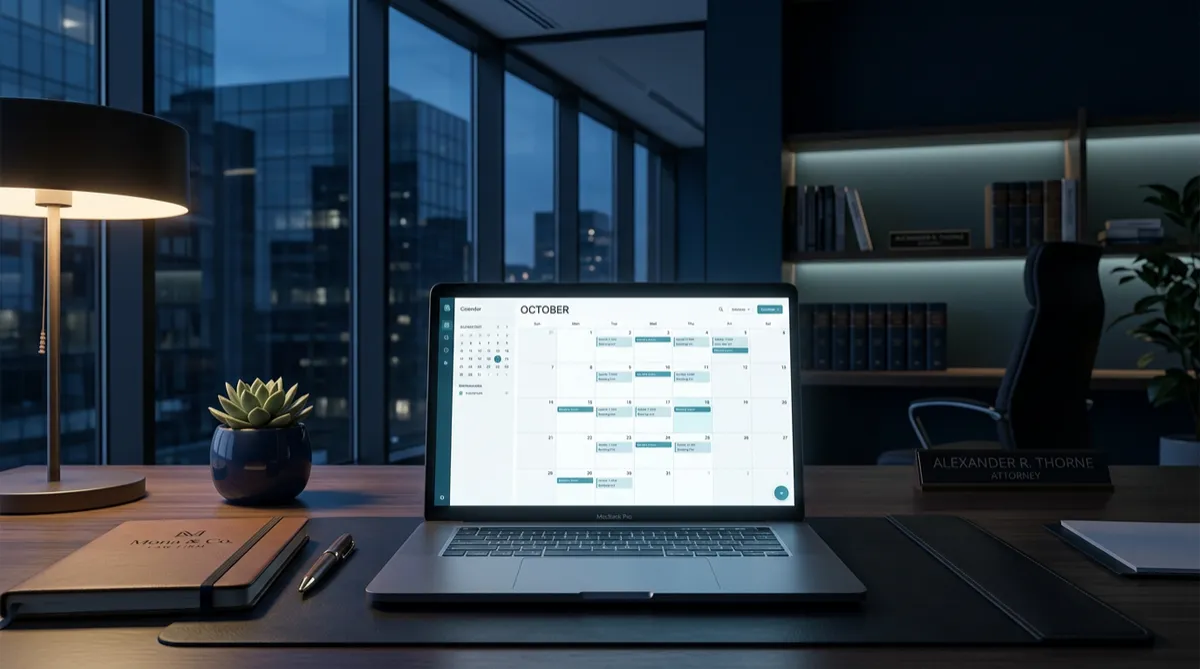
Decide whether the after-hours system can actually see approved appointment availability. If it cannot, it should record the person's preferred times and label them as a request for staff review. If the firm does allow confirmed appointments through an integrated calendar, make sure the booking rules reflect the correct attorney, consultation type, duration, and availability.
Do not imply that selecting a time means the firm has accepted the matter. A confirmation should describe what was scheduled and any next step the firm requires, using language reviewed by the firm. If a conflict check or other screening is required before a consultation is confirmed, maintain that gate rather than letting a general booking flow bypass it.
Build a reliable morning handoff
Every inquiry should land with a named role or queue. Set a routine for reviewing overnight calls, checking for duplicate requests, and assigning follow-up. Record when a staff member has contacted the caller, whether they requested a consultation, and what further review is pending. This makes it easier to avoid repeated outreach and keeps unresolved inquiries visible.
Use notifications only for the staff who need them, and keep message previews and records consistent with firm policy. If the caller requested contact by phone rather than text or email, honor that preference where the firm's procedures allow. An automated acknowledgment can confirm receipt, but it should not suggest an attorney has reviewed the request.
For more on the first response to unanswered calls, read how law firms can handle missed intake calls. The broader guide to AI receptionist call capture for service businesses can help teams think through routing and ownership.
Review the workflow with the people who use it
Before launch, have attorneys and intake staff review the greeting, data fields, routing rules, booking behavior, and disclaimers. Test common situations: a general consultation request, a caller who is unsure which team they need, and a caller who asks for legal advice. Confirm that the system recognizes when to stop and direct the person to human review, not improvise an answer.
After launch, examine a small set of interactions through the firm's approved review process. Check whether callers understand what happens next, whether the intake team receives the necessary context, and whether any script implies more than the firm intends. Update the instructions when office hours, practice areas, or consultation availability change.
To plan the workflow, explore AI receptionist support for law firm calls, lead capture for consultation inquiries, and law-firm-focused intake solutions.
Give every after-hours caller a clear route to human review. Talk through your firm's intake and scheduling rules in a free planning consultation.
Frequently asked questions
Can an AI receptionist provide legal advice?
No. Keep the system to administrative intake and information the firm has approved. Route legal questions to the appropriate human team under the firm's rules.
Can callers book a consultation after hours?
They can request a consultation or book an available slot if the firm's approved calendar and screening process support confirmed bookings. Make clear whether a time is requested or confirmed.
Does submitting an intake request make someone a client?
An automated submission should not imply that the firm accepted representation. Use wording approved by the firm to explain that staff must review the inquiry and follow the firm's established engagement process.
Capture the request, then let the firm review it
After-hours intake is a way to organize inquiries, not a substitute for professional judgment. Clear boundaries, careful data collection, accurate scheduling, and prompt human review help the firm respond consistently without implying that an automated system has evaluated a matter. To request a call about setting up AI receptionists, lead capture, and appointment scheduling, request a consultation.
